
DYS Data Infrastructure · Data and AI
Data Processing Infrastructure (ETL)
Collect scattered data through controlled flows, validate it and make it ready for analysis.Build flows for different data sources and manage transformation, validation, error and run tracking centrally for reliable loading into the data warehouse.
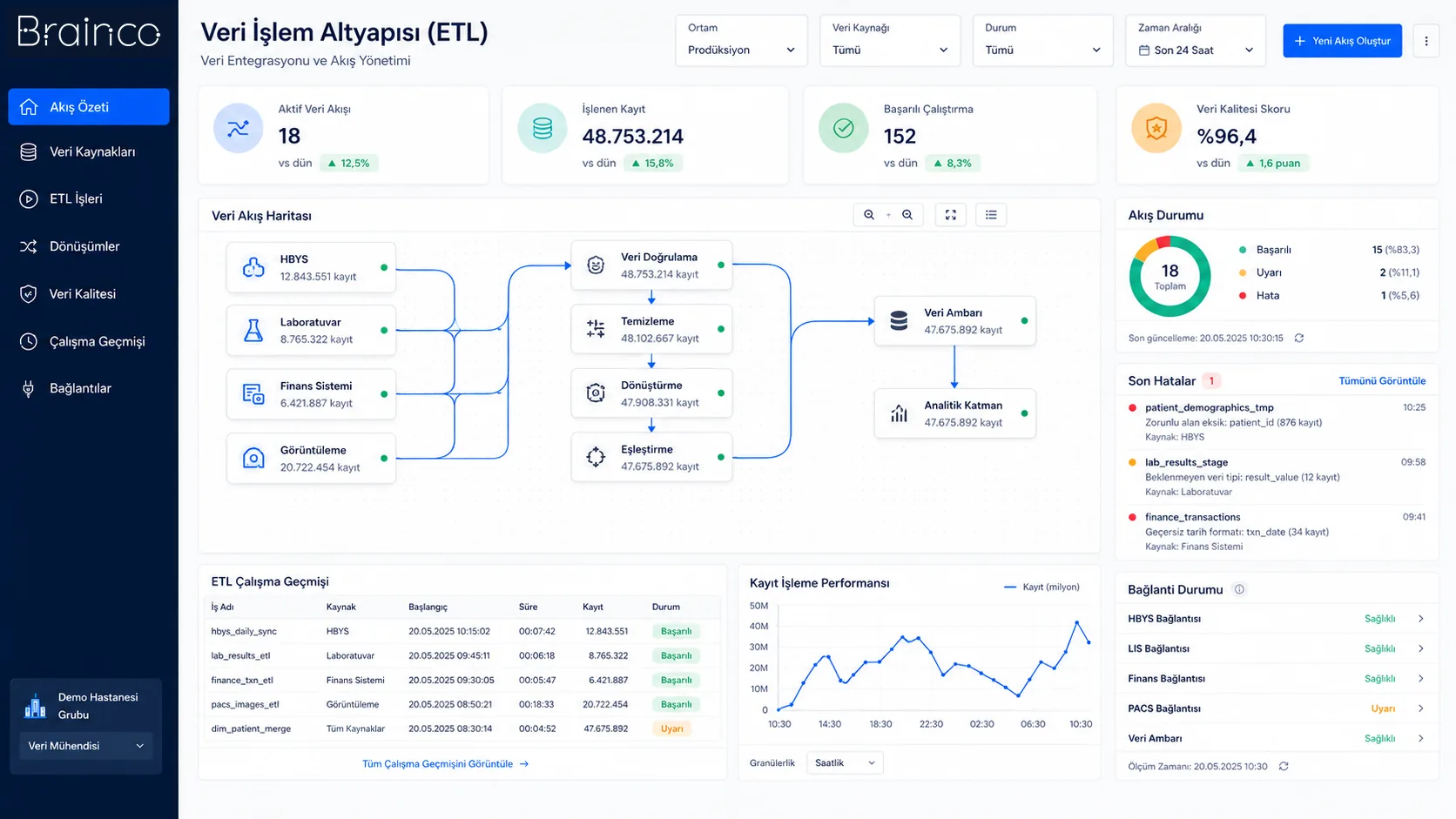
Manageable data flows
Source, transformation and target steps are monitored centrally.
Data quality checks
Missing and inconsistent records become visible through defined checks.
A sustainable analytics foundation
Reporting and AI solutions are fed with consistent data.
Need and solution
From a real business need to a manageable process.
Combining data produced in different formats and systems by hand increases the risk of errors and makes it hard to track freshness and data sources.
The ETL infrastructure combines source connections, data transformations, validation steps and run logs in reusable flows.
Core capabilities
What does Data Processing Infrastructure (ETL) offer?
The main areas of work the product covers in day-to-day use.
Data sources
Manage how data is pulled from different organisational sources.
Data flows
Arrange source, processing and target steps in visual, traceable flows.
Validation
Assess data quality with field, format and business rule checks.
Transformation
Convert data in a controlled way into the structure the target model needs.
Error and run tracking
Monitor flow status, error logs and the need to rerun.
Loading into the data warehouse
Move prepared data reliably to the reporting and analytics layers.
How does it work?
A traceable workflow, step by step.
- 01
Define the source
Access and data structure are defined in a controlled way.
- 02
Pull the data
Records enter the flow at the set time and scope.
- 03
Validate and transform
Quality checks and target model transformations are applied.
- 04
Handle errors
Problem records and run steps are monitored.
- 05
Load to the target
Approved data moves to the data warehouse and the relevant consumption layers.
Benefits and measurable indicators
Track improvement with your organisation’s own data.
Instead of ready-made success rates, make visible the indicators that let you monitor process performance regularly.
- 01Flow run time
- 02Successful data load rate
- 03Number of faulty records
- 04Data freshness
- 05Number of rerun flows
Integration approach
Controlled connection to your existing systems.
The scope of integration is configured around the organisation’s data sources, permissions and technical needs.
Security and governance
Authorised access and traceable actions.
- Source- and flow-based permissions
- Run and error history
- Transformation rule traceability
- Environment-based configuration
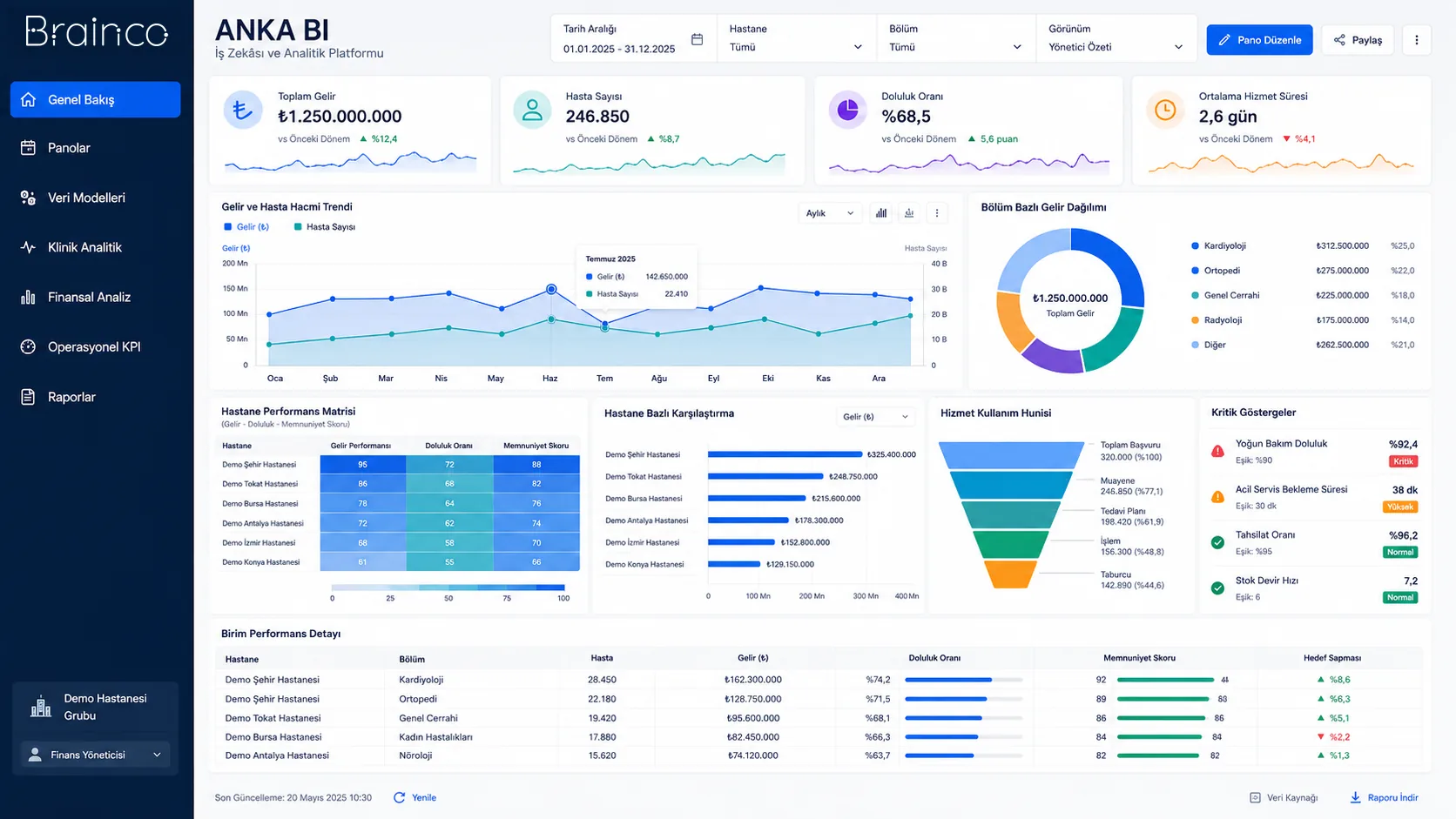
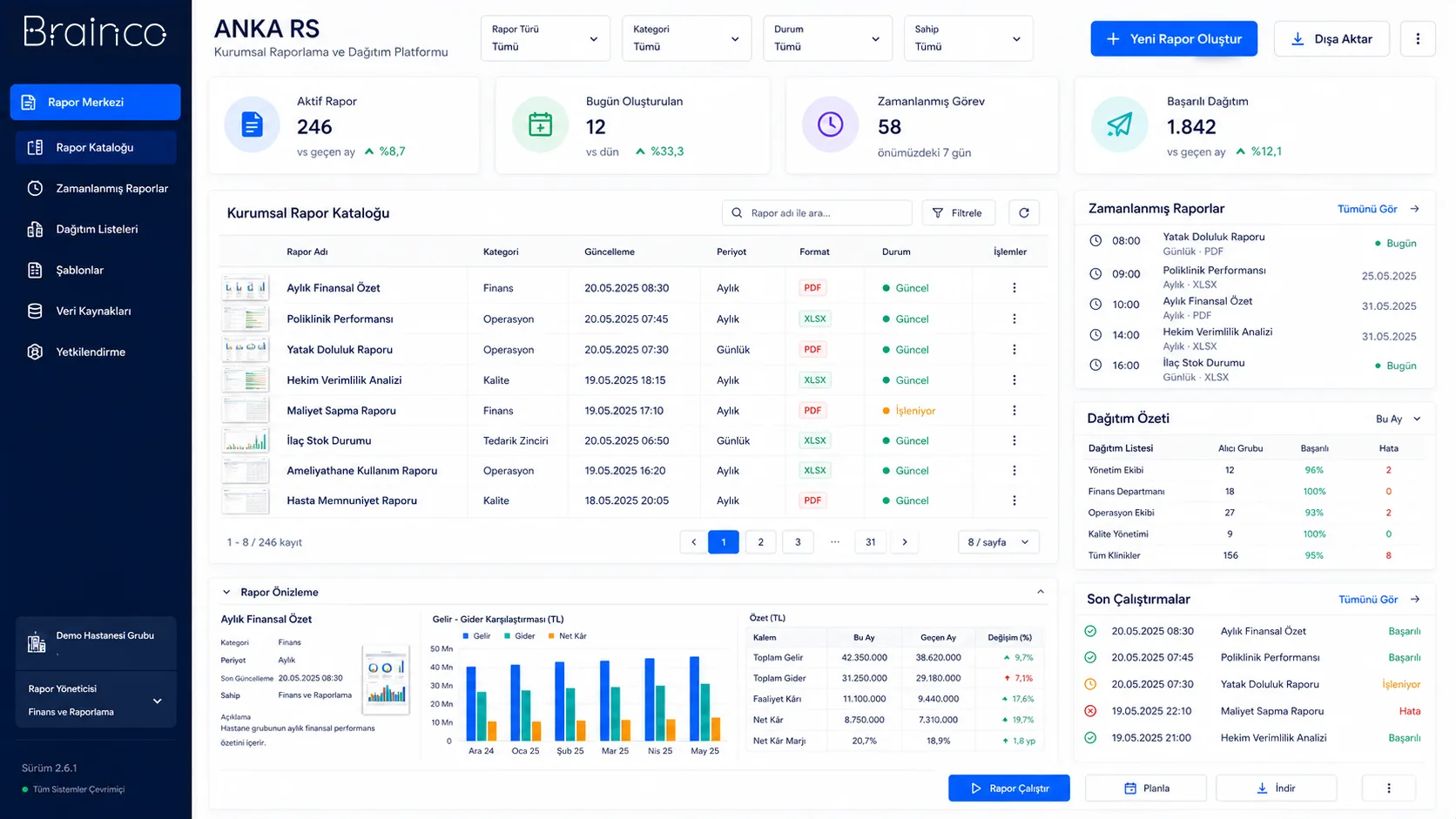
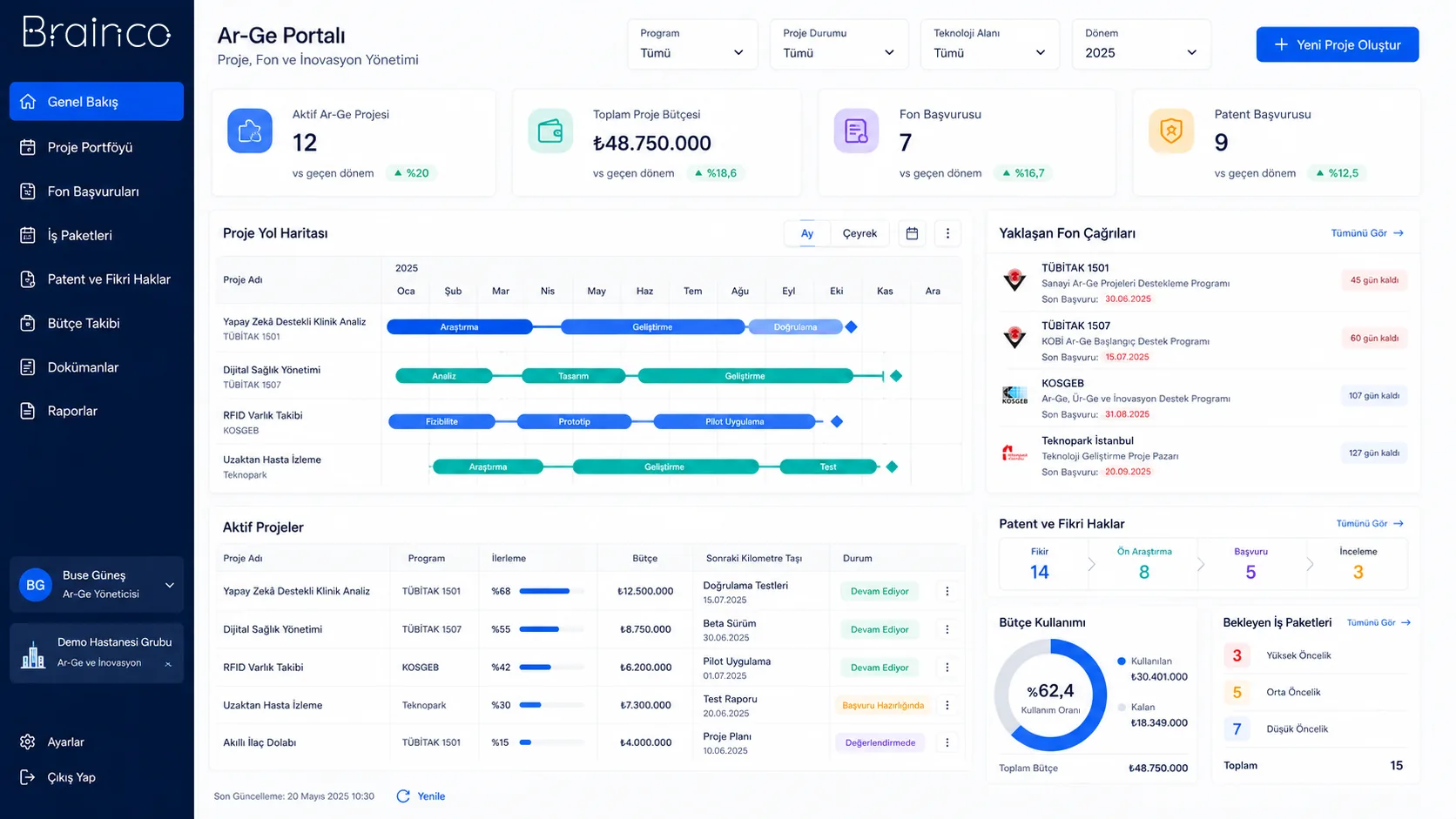
Position in the DYS ecosystem
DYS Data Infrastructure
Let’s evaluate the product together
Build reliable data flows for your analytics and AI work.
Let’s look at your organisation’s processes, data sources and user needs together.